
The Mysterious Face: L'Inconnue de la Seine
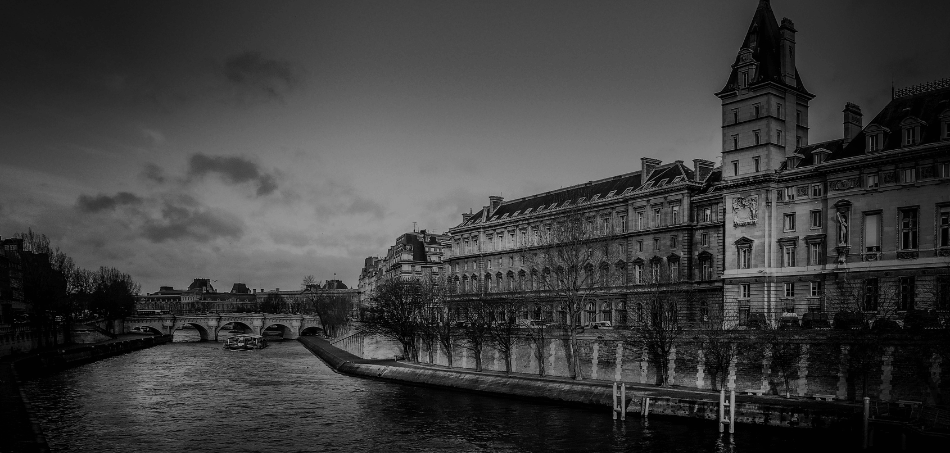
In the late 19th century, a young woman's body was discovered in the River Seine in Paris. Her death appeared to be suicide, with no signs of violence. A Paris Morgue pathologist became captivated by her serene expression and created a plaster death mask.
This artifact, titled "L'Inconnue de la Seine" (The Unknown Woman of the Seine), gained widespread cultural significance across Europe. The mask's enigmatic quality drew artistic comparisons and inspired numerous literary works.
From Tragedy to Training: The Origin of Resusci Anne
During the 1950s, Norwegian toy manufacturer Åsmund S. Lærdal developed a CPR training manikin after his son nearly drowned. Working alongside physicians Peter Safar and James Elam—pioneers in mouth-to-mouth resuscitation—Lærdal selected a lifelike yet approachable face for the manikin.
He chose L'Inconnue's visage, believing trainees would engage more readily with realistic features. Introduced in 1960, the first Resusci Anne revolutionized CPR training globally.
Her face, once a symbol of mystery, became known as "the most kissed face" in history due to widespread use in resuscitation instruction.
The Legacy Continues
Resusci Anne remains essential to medical education, merging art, history, and life-saving science. The transformation demonstrates how human empathy combined with innovation creates lasting impact.
A Romantic Twist?
One alternate narrative suggests the woman was an identical twin from Liverpool who eloped to France, vanishing mysteriously. Years later, her aging sister reportedly encountered her preserved likeness displayed outside a Parisian artist's studio.